How to give contemporary furniture a convincing direction
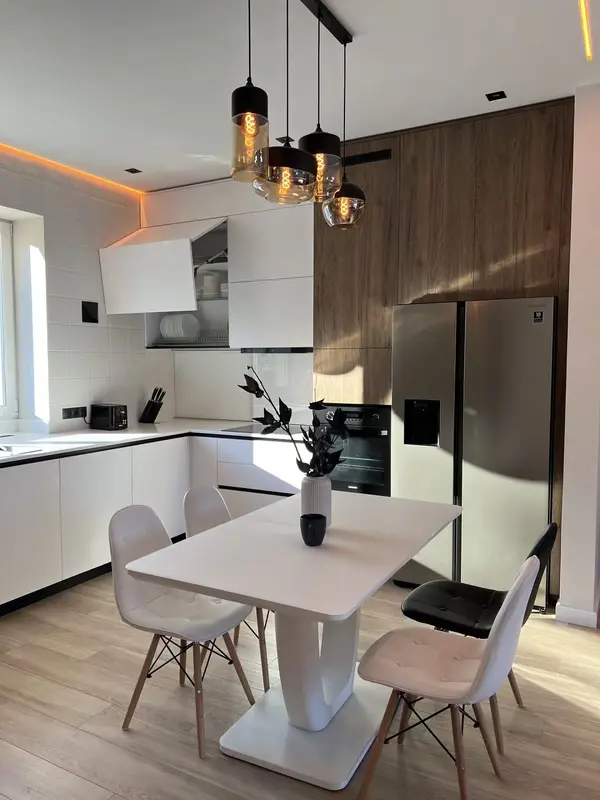
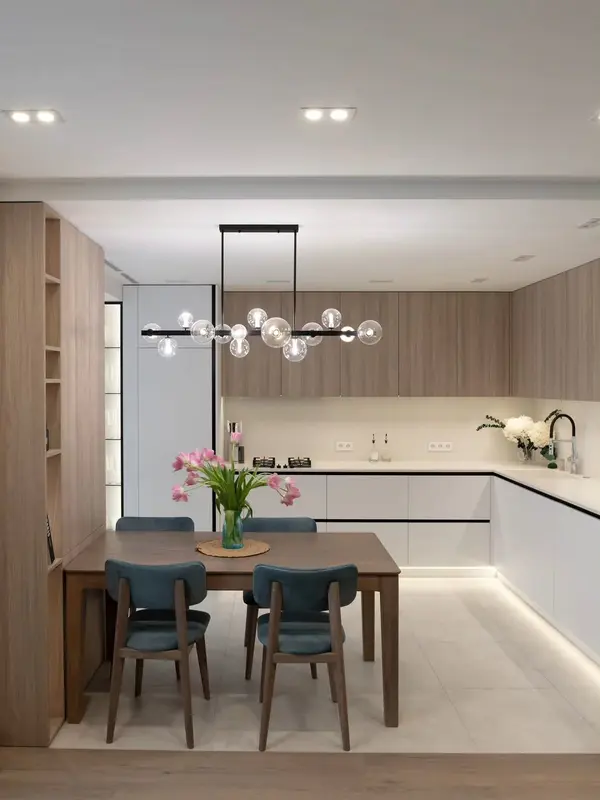
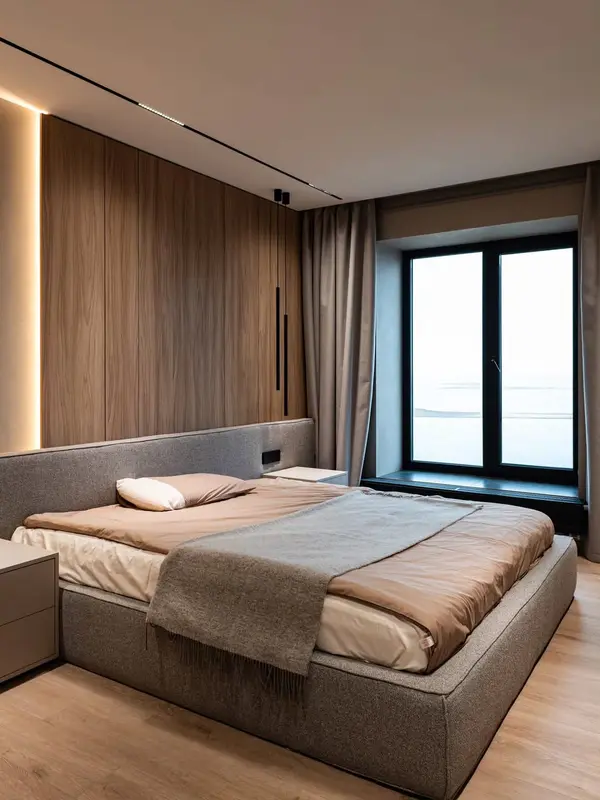
Contemporary furniture should be of its time without depending on a short-lived visual trick. Its useful qualities include balanced asymmetry and a concise material palette.
Contemporary furniture should be of its time without depending on a short-lived visual trick.
The right decision connects appearance with construction and maintenance. For projects in Guardamar del Segura, we also check the actual light, access and conditions in the room.
Contemporary furniture should be of its time without depending on a short-lived visual trick. Its useful qualities include balanced asymmetry and a concise material palette.
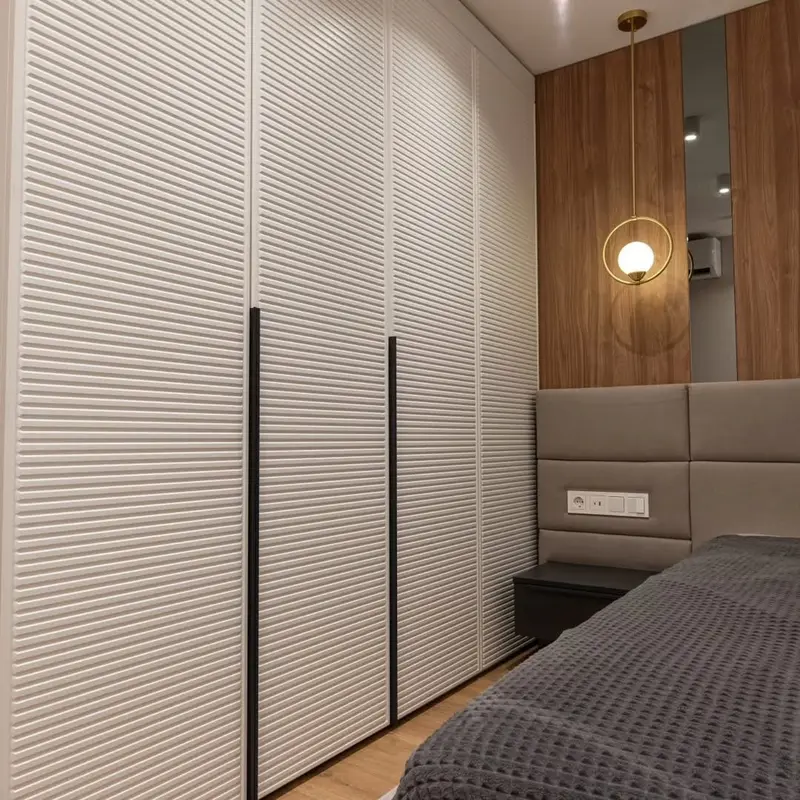
We consider it for wardrobes, kitchens, living-room furniture and commercial work when its character supports the brief rather than leading it.
Trend-led details on every surface and ignoring long-term repairability should be discussed before drawings or samples are approved.
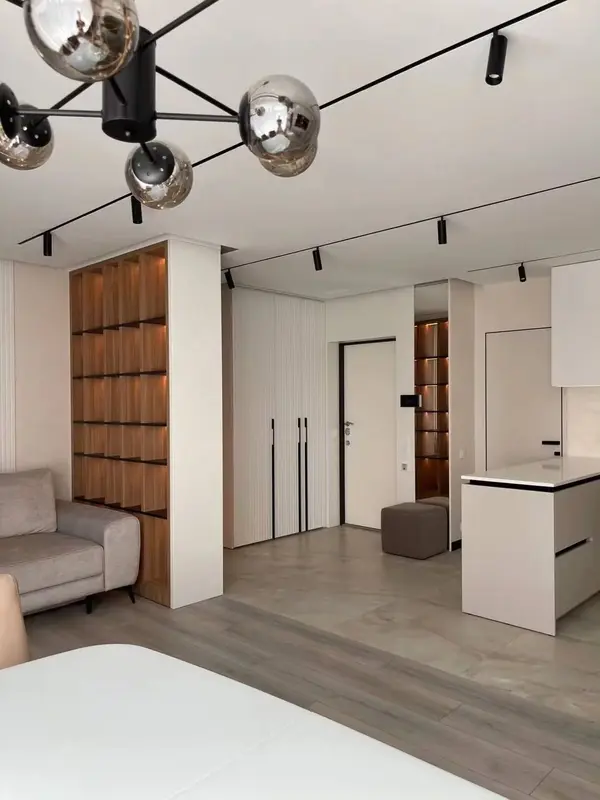
Integrated technology and clean volumes with useful interiors can be balanced with simpler surfaces, so the finished room is coherent rather than overworked.
We compare realistic alternatives and explain what changes in construction, upkeep and price. You are not expected to specify contemporary furniture unaided.
Cleaning, light exposure, moving parts and local repair are considered so the choice still makes sense after years of use.
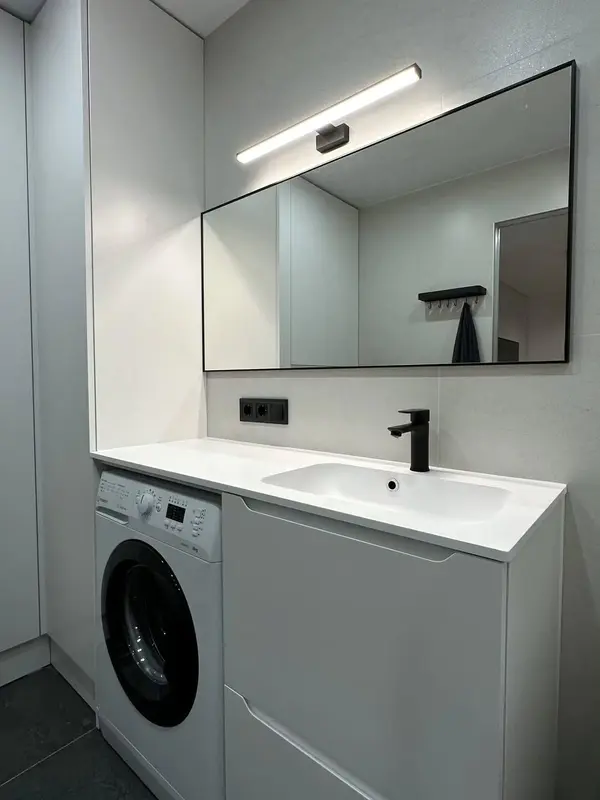
We do not begin with a catalogue code. The space and the job of the furniture determine where this approach is useful and where another solution would be more honest.
Existing floors, doors, wall colours and daylight set the context. Balanced asymmetry may look very different beside warm stone, cool tiles or strong coastal light.
A concise material palette can be the right focus, while less visible areas use a simpler material. This often improves both performance and budget control.
Edges, handles, shadow gaps, glass, lighting and adjacent panels are resolved with the material. A finish cannot be separated from the detail that contains it.
Variation, sheen and texture are discussed before production. If natural materials are involved, we also agree what degree of variation should be expected.
The point about trend-led details on every surface is not a reason to reject the option, but it should shape where and how the approach is used.
People often arrive with a picture of contemporary bespoke furniture and one very practical frustration. We separate the two. In Guardamar del Segura, that may mean discussing sand and salt in daily maintenance before colour, because the route in can rule out an otherwise attractive construction.
A concise material palette can give the scheme its identity. Used everywhere, it can also become tiring. We normally choose the few places where it has the strongest effect and let the rest of the composition settle down.
There are situations where we would advise against the first idea. If ventilation makes integrated technology difficult to judge or maintain, we show a nearby alternative and explain the difference without turning the discussion into a sales pitch.
We bring the decision back to the property: floor, wall, daylight and the objects that will stay. A good sample should belong to that group, not merely look impressive on its own.
Not every premium material earns its cost in every position. We reserve it for the surfaces and details where touch, light or repeated use will reveal the difference.
The final metre through the property can be the most restrictive. For a project in Guardamar del Segura, we connect access, module size and visible joints before anything is cut.
The address in Guardamar del Segura adds useful context. We may be working with apartments and houses close to the sea, many of them used seasonally; the measured property then decides which of those considerations genuinely applies.
The point about sand and salt in daily maintenance is recorded with the survey. If it limits module size, the design is divided at structurally and visually sensible positions.
Material approval takes place in context wherever possible. One relevant factor is ventilation, so a screen image cannot be the final colour standard.
Long-term use sits beside the local conditions. The decisions around strong sun and space for luggage and seasonal belongings are explained before they become workshop instructions.
No. It depends on the use, room conditions, desired appearance and budget. We may recommend it only for selected faces or combine it with a more practical supporting material.
Its effect depends on grade, thickness, finish, cutting yield and workshop detail. We compare it against another suitable option on the same design.
Sometimes, but position and construction matter. Moisture, heat, cleaning and edge exposure must be checked before we confirm the specification.
Where colour, texture or sheen is important, a representative physical sample is the useful reference. Screens and showroom lighting can be misleading.
Con unas fotos, medidas aproximadas y una idea de uso podemos preparar una primera orientación antes de concertar la medición.